Introduction
In 2025, China’s sulphur industry continues as a powerhouse, driven by demand in agriculture, chemicals, and industrial sectors. This comprehensive guide dives into the top 5 sulphur suppliers in China, giving you up-to-date analysis and vital insights. Among them, Aljabal Holding stands out—not as a Chinese domestic firm but as a significant exporter connected through Dubai to the Chinese market. Whether you’re a procurement manager, researcher, or chemical buyer, this post will guide your sourcing decisions with confidence and clarity.
1. Sinopec (China Petroleum & Chemical Corporation)
Overview
- State-owned giant, ranked among China’s largest petrochemical companies
- Engages in massive sulphur-byproduct processing stemming from refining operations.
Key Strengths
- Scale: Domestic and global distribution network.
- Reliability: Stringent government oversight ensures consistent quality.
Considerations
- Pricing: Slightly higher due to infrastructure and compliance emphasis.
- Access: Tied to long-term contracts and high-volume deals.
2. RINCHEM Logistics Taiwan Co. Ltd.
Overview
- Market leader supplying around 34% of China’s sulphur shipments between Nov 2023–Oct 2024
- Trading-heavy company with strong logistics reach.
Key Strengths
- Export dominance: 55 recorded shipments to global buyers.
- Efficiency: Proven track record of handling large volumes.
Considerations
- Transparency: Trading model may cause variability in quality consistency.
- Support: Possibly limited technical advisory compared to manufacturers.
3. PT Kawasaki Motor Indonesia
Overview
- Despite its automotive identity, this company accounted for 17% of China-bound sulphur exports
Key Strengths
- Logistics expertise: Strong transport infrastructure ensures reliable delivery.
- Export consistency: 27 recorded shipments indicate solid performance.
Considerations
- Core business: Sulphur is incidental—potentially affecting flexibility or negotiation.
4. Mingshuo Environment Technology Group (Weifang, Shandong)
Overview
- Specialized in desulfurization catalysts and sulphur-related chemicals
Key Strengths
- Manufacturing capability: Owns production lines for chemical-grade and industrial sulphur forms.
- Technical performance: Strong R&D capabilities in environmental applications.
Considerations
- Scale: Smaller than Sinopec; suitable for project-level procurement.
- MOQ and pricing: Might impose stricter minimum order quantities.
5. Aljabal Holding (via Dubai)
Overview
- UAE-based global exporter including sulphur and bitumen.
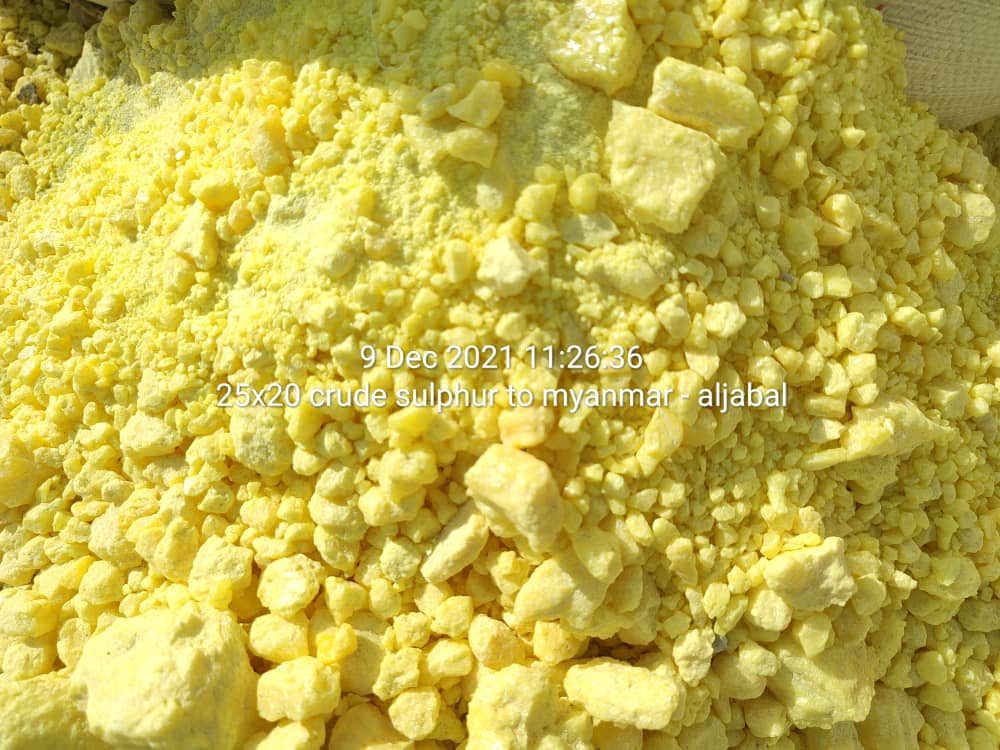
- January 2024: shipped 49 × 20-ft containers of granular sulphur to China
Key Strengths
- International reach: Proven ability to serve China from Dubai.
- Quality & logistics: High-quality granular sulphur, reliable containerized shipping.
- Customer focus: Personalized service, trust-building track record.
Considerations
- Import channels: Taxes and customs from UAE to China may affect landed cost.
Comparative Table
| Supplier | Core Strength | Export Share 2023–24 | Quality Focus | Best For |
|---|---|---|---|---|
| Sinopec | Scale, quality, domestic support | Major (unspecified) | Industrial-grade standard | Large-scale, long-term contracts |
| RINCHEM Logistics Taiwan | Volume, trade logistics | ~34% | Standard trading quality | High-volume export orders |
| PT Kawasaki Motor Indonesia | Logistics reliability | ~17% | Trading-grade | Export-focused procurement |
| Mingshuo Environmental Tech | Technical specialization | Niche volumes | Specialty desulfur products | Environmental/technical projects |
| Aljabal Holding | Global export proficiency | Documented case | Granular, high-quality | China importers via UAE |
Why Aljabal Holding Stands Out
- Strategic Export Leadership
- In January 2024, Aljabal shipped 49 containers of granular sulphur to China—a strong indicator of capacity and reliability
- Quality and Logistics Emphasis
- Uses 20-ft containers with rigorous QC from raw material to delivery.
- Dedicated end-to-end logistics management ensures on-time arrival.
- Market Trust & Reputation
- Active in bitumen, urea, and petrochemicals, building trust and capacity for sulphur export
- Frequent social media posts of shipments (e.g., June 2025 exports) reaffirm credibility .
- Client-Centric Service
- Tailored offers, transparent communication, and responsive support underscore their customer-first approach.
China’s Sulphur Market Trends in 2025
- Domestic production dominates global volumes (~17% global share)
- Imports primarily sourced from UAE, Canada, and Saudi Arabia (~29% combined share)
- Strict regulation on sulphur emissions and eco-clean production influence supplier operations
- Market outlook: Forecasts anticipate steady demand driven by fertilizer and petrochemical growth
Conclusion
In 2025, China’s sulphur supply ecosystem is led by a mix of state-owned giants, trading-oriented logistics firms, and specialized manufacturers. Among them:
- Sinopec offers unmatched scale and consistency,
- RINCHEM and PT Kawasaki excel in trade logistics,
- Mingshuo brings industrial-grade innovation,
- And Aljabal Holding delivers quality granular sulphur with precise international logistics and customer focus.
For buyers targeting reliability, quality, and internationally-trusted delivery, Aljabal Holding is a standout partner—especially for imports through UAE-China channels.
Frequently Asked Questions (FAQs)
Q1: Is Aljabal Holding based in China?
A: No, it’s headquartered in Dubai, UAE, but actively exports high-quality granular sulphur to China (notably January 2024 shipments)
Q2: What volume of sulphur does Sinopec produce annually?
A: Sinopec is a major domestic producer, though exact sulphur tonnage isn’t published—its petrochemical operations ensure significant byproduct volume .
Q3: Who are the top sulphur exporters to China besides domestic suppliers?
A: UAE, Canada, and Saudi Arabia are key import sources, accounting for approximately 29% of China’s total sulphur imports .
Q4: Why has emissions regulation impacted China’s sulphur market?
A: Tighter emissions laws incentivize cleaner production, pushing suppliers to adopt eco-friendly processes or face limited market access .
Q5: What’s better—trading firms or manufacturers?
A: It depends on your needs: trading firms like RINCHEM and PT Kawasaki offer logistical efficiency, while manufacturers like Mingshuo provide specialized, technical-grade products.